
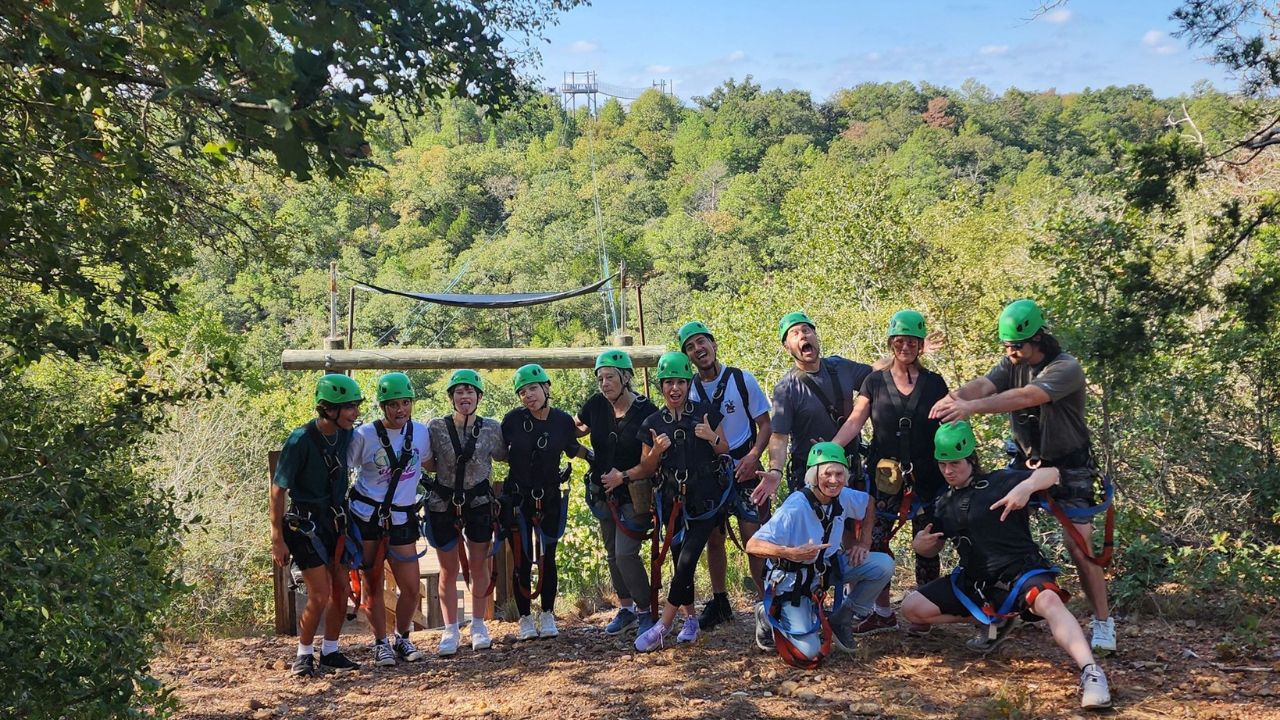
Finding useful things to do in Texas Hill Country for a corporate group takes more thought than choosing a venue and filling the calendar.
Your team probably spends enough time in meetings already. A better company outing changes the environment and gives people something real to experience together. That could mean tackling an outdoor challenge, walking while discussing ideas, competing side by side, or simply having time to connect without another agenda.
For companies around Austin and Central Texas, Zip Lost Pines is one example of how an outdoor corporate day can combine activity with downtime. Here are five ideas that work without making the day feel like another work session.
Quick Answer: What Can Corporate Groups Do Outdoors?
The strongest corporate outings usually combine three things:
- One shared activity
- Time for natural conversation
- Enough downtime that nobody feels over-scheduled
You do not need five complicated team-building exercises.
One memorable challenge followed by lighter social time can often do more for the group.
Here’s a softer version that keeps the original meaning without framing it around proving bravery:
1. Take On a Shared Zipline Challenge
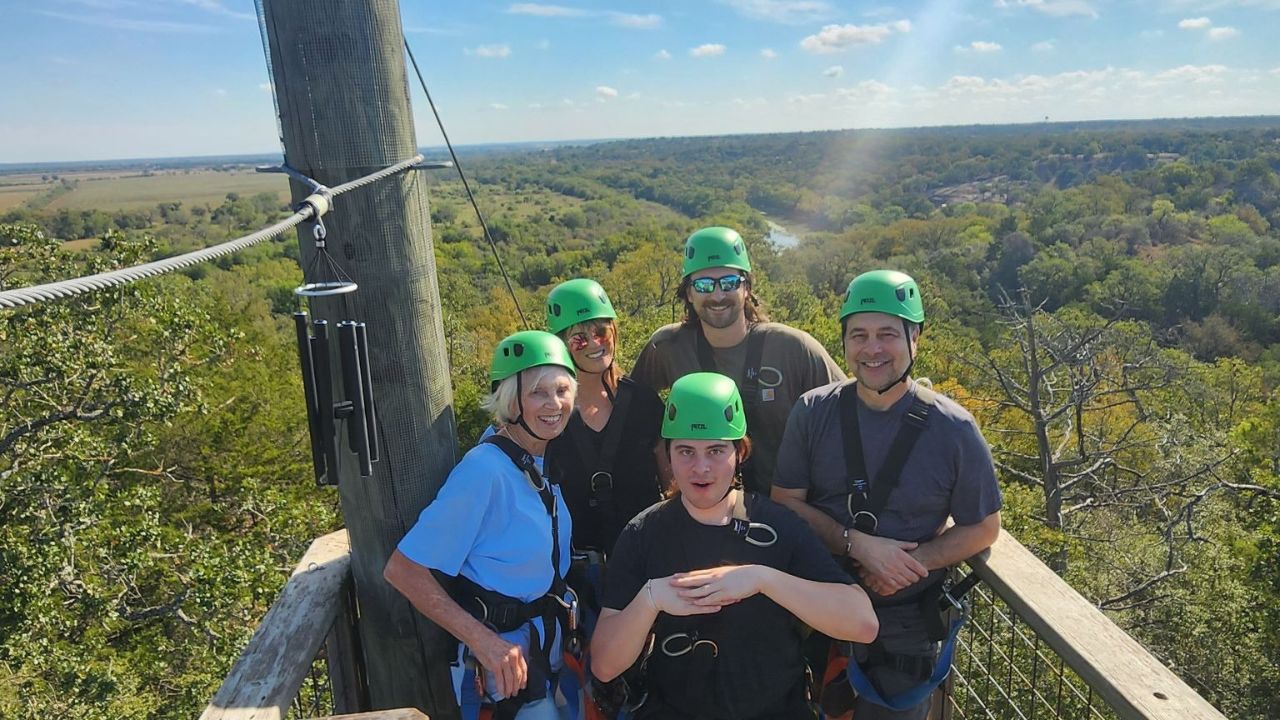
A shared physical challenge gives people something to experience together without forcing another icebreaker. With corporate events at Zip Lost Pines, groups can build the day around five ziplines, hiking, climbing, sky bridges, and side-by-side lines.
The value is not simply adrenaline. You also get to see how people respond outside their normal roles. One person may volunteer immediately. Another may need more time. Someone who rarely speaks during meetings may become the person encouraging everyone else. Those moments create conversation naturally.
For planners, the goal should not be “Can everybody push themselves to do something outside their comfort zone?” A better question is “Can everyone take part in a way that feels comfortable and enjoyable?” That difference matters.
Best for: Teams that want a memorable shared challenge.
Energy level: High.
Team value: Confidence, encouragement, and shared experience.
Planner note: Do not make participation feel like a test. The activity should create connection, not pressure.
2. Turn a Nature Walk Into a Walk-and-Talk Session
Not every useful corporate activity needs competition. Walking side by side can produce better conversations than sitting around another meeting table. Use the outdoor setting intentionally. Divide the team into pairs or groups of three. Give everyone one useful question before the walk.
For example, you could ask:
- What should our team stop doing?
- Where are projects getting unnecessarily difficult?
- What has worked well this year?
- What would make collaboration easier?
- What should we protect as the company grows?
Use the walk to talk through these questions naturally. You do not need worksheets or presentations. A simple twenty- or thirty-minute conversation can be enough. Because the Zip Lost Pines corporate experience already includes hiking and time in nature, an active course can naturally transition into a quieter conversation period.
Best for: Leadership teams, remote teams, and cross-functional groups.
Energy level: Low to moderate.
Team value: Conversation, reflection, and cross-team understanding.
Planner note: Use one simple question. The walk should feel natural, not like another assignment.
3. Add Friendly Competition With Side-by-Side Races
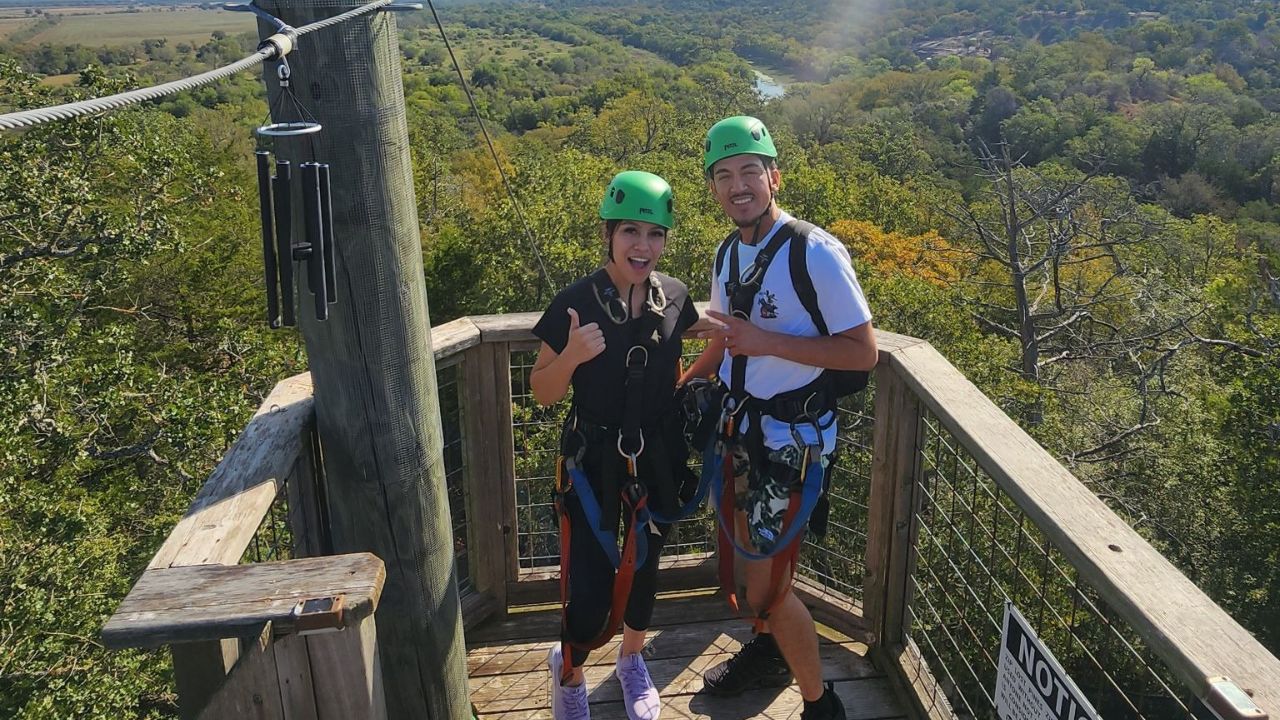
Competition can energize a corporate outing. It can also become uncomfortable if you take it too seriously. Keep it light at Zip Lost Pines we use dual ziplines so two people can ride side by side. Its corporate program specifically includes this format as a way to add healthy competition.
You could pair:
- Managers with newer employees
- People from different departments
- Coworkers who rarely interact
- Randomly selected teammates
You do not even need formal scoring. Sometimes simply racing the person beside you creates enough energy. Lower-pressure activities can continue afterward. The corporate setup also includes Basecamp hangout areas and yard games. That gives people options. Some employees may want to keep playing. Others may prefer to sit, talk, or watch.
Best for: Sales teams, celebrations, and groups that enjoy playful competition.
Energy level: Moderate to high.
Team value: Energy, interaction, and shared humor.
Planner note: Do not let competition dominate the outing. It should support the team experience.
4. Use Basecamp Time as an Actual Team Activity
One common mistake in corporate-event planning is filling every available minute. Breakfast networking. Team exercise. Workshop. Lunch activity. Afternoon challenge. Awards. Eventually, people stop connecting and start waiting for the schedule to end and leave gaps.
Basecamp time can be used for:
- Informal conversations
- Department mixing
- Lunch
- Yard games
- Small-group catch-ups
- Remote-team introductions
- Nothing structured at all
That last option matters as some of the best conversations happen when nobody has been given a prompt. For remote and hybrid teams, this can be especially valuable. People may know each other through screens but rarely spend relaxed time together. Give them that opportunity.
Best for: Remote teams, larger groups, and departments that rarely interact.
Energy level: Low.
Team value: Natural conversation and stronger personal connection.
Planner note: Do not treat unstructured time as wasted time.
5. Finish With a Short Outdoor Team Debrief
A corporate outing does not need to finish with another presentation. But a short debrief can help connect the experience back to the team. Bring everyone together toward the end and ask two or three questions.
For example:
- What surprised you today?
- Who helped you during the experience?
- What did we do well as a group?
- What could make working together easier?
- What should we carry back into normal work?
Keep it short. Fifteen minutes may be enough. For groups that need a more customized schedule, the Zip Lost Pines Group Events page allows organizers to submit participant numbers, age ranges, preferred dates, business details, and special requests. The current proposal form is intended for groups of 10 or more. That makes it easier to build the day around a team goal instead of forcing everyone into the same format.
Best for: Leadership teams, new departments, and strategy-focused outings.
Energy level: Low.
Team value Reflection and shared takeaways.
Planner note: Do not let the debrief turn back into a meeting.
Which Activity Fits Your Team?
Different teams need different types of interaction.
Team Goal | Better Fit |
Shared challenge | Zipline course |
Better conversation | Walk-and-talk |
Energy and fun | Dual-line competition |
Cross-team connection | Basecamp downtime |
Reflection | Outdoor team debrief |
Think about what your team actually needs from the outing. A sales celebration may call for something more energetic, while a leadership outing may benefit from more time to talk. For a newly combined department, informal time together may help people get to know each other.
Once you know the goal, choose an activity that supports it.
Half-Day vs. Full-Day Corporate Outing
You do not need an eight-hour agenda for every event.
Half-Day Corporate Outing
Keep it simple:
Arrival and settling in
Give everyone time to arrive without immediately starting an activity.
One shared challenge
Make the zipline or another outdoor activity the main experience.
Downtime
Finish with food, conversation, or games. A half day works well when the event is mainly a celebration or social outing.
Full-Day Corporate Outing
A longer event can include:
- Arrival and informal connection
- Main outdoor challenge
- Lunch and downtime
- Walk-and-talk session
- Short team debrief
The change of pace matters. Do not make every hour high energy.
What Should Corporate Planners Confirm Before the Event?
Good planning prevents awkward surprises on event day.
Confirm Your Headcount
The current group event planning process uses a proposal form for groups of 10 or more. Get a realistic attendance number before finalizing the day.
Check Rider Requirements Privately
Standard participants need to meet the current Zip Lost Pines rider requirements. That includes a weight range of 50 to 250 pounds and physical requirements such as walking, climbing stairs, bending, twisting, and reaching overhead. Share those requirements privately before the event. Nobody should have to discuss personal information in front of coworkers.
Send Clothing Guidance Early
Closed-toe shoes are required for ziplining. Crocs, Chacos, and FiveFingers are not permitted on the course. The site’s What to Expect page also covers clothing, weather preparation, lockers, and what guests can take onto the tour. Send that information before event day.
Plan for Non-Participants
Not everyone may want or be able to complete the main activity. That should not exclude them from the outing. Downtime, nature, games, conversation, and team meals can keep the day useful for people participating at different levels.
Leave Some Weather Flexibility
Outdoor events need room to adjust. Avoid building a schedule where every activity depends on exact timing.
Who Should You Plan Around?
Do not design the event around your most adventurous employee. Think about the person most likely to feel excluded. That may be someone uncomfortable with heights.
It could be someone with lower physical stamina.It may simply be a quieter employee who dislikes competitive activities. A good team event gives people different ways to participate. If one activity does not work for everyone, the overall day still should.
Why Outdoor Corporate Events Feel Different
Changing the environment changes how people interact. You leave desks, meeting rooms, notifications, and familiar workplace routines behind. A walk becomes a conversation. A shared challenge creates encouragement. A race creates something to laugh about.
Downtime lets coworkers talk without needing an agenda. Among the many things to do in Texas Hill Country, the most useful corporate activities are not necessarily the most complicated.
They are the ones that help people interact differently.
Final Takeaway
Good corporate outings do not need complicated team-building exercises. Give people one shared challenge, room to talk, a little friendly competition, and enough downtime to enjoy being together.
When comparing things to do in Texas Hill Country for your team, start with the goal rather than the activity. Then build the day around how your team actually likes to connect.
FAQs About Things to Do in Texas Hill Country for Corporate Groups
What are some unique things to do in Texas Hill Country for corporate groups?
Outdoor challenges, walk-and-talk sessions, friendly competition, group games, and outdoor team debriefs can all work well. The right option depends on whether your goal is celebration, team connection, leadership development, or time away from the office.
Is ziplining good for corporate team building?
It can be. A shared challenge gives coworkers something to experience together, while side-by-side lines can add low-pressure competition.
How many people are needed for a Zip Lost Pines group event?
The current group proposal form is designed for groups of 10 or more. Smaller groups can use standard booking options or contact Zip Lost Pines about other arrangements.
What should employees wear for a corporate zipline event?
Closed-toe shoes are required. Clothes should also allow comfortable outdoor movement. Current preparation guidance is available in the Zip Lost Pines FAQ.
What if some employees do not want to zipline?
Do not make the entire outing depend on one activity. Include downtime, games, conversation, food, or nature-based activities so employees can stay involved without pressure.
Should you plan a half-day or full-day corporate outing?
Choose a half day when one major shared activity is enough. A full day makes more sense when you want to combine an active challenge with lunch, conversation, downtime, and reflection.