
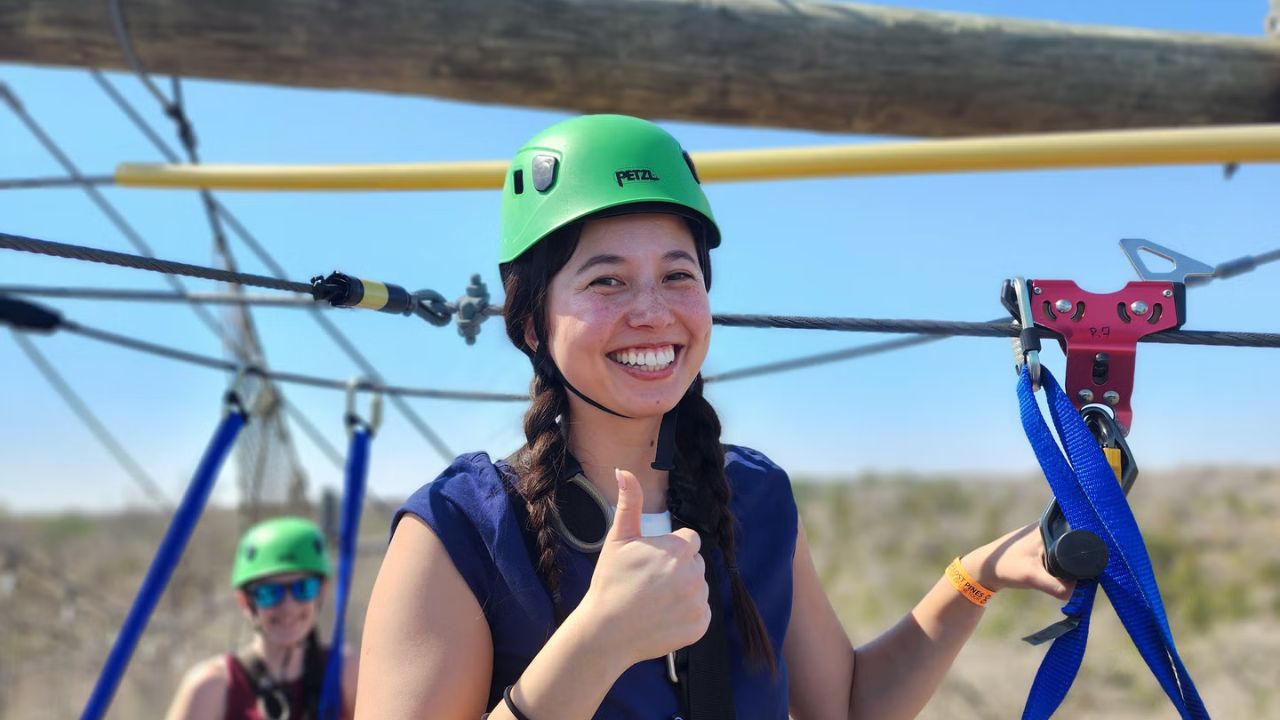
Is Ziplining Safe? A well-run course lowers risk through trained guides, checked gear, clear rider rules, automatic brakes, and firm weather policies. You may still feel your stomach flip before the first line. That rush is part of the fun, but it should come with clear facts.
No outdoor adventure is free from risk. At Zip Lost Pines, safety starts before you reach the first platform. Before booking, review the rider rules, clothing guidance, weather policy, and participation requirements.
1. Guides Lead the Tour From Start to Finish
Why does this matter? Most first-time riders have never used zipline gear. You should not have to guess what to do while standing above the trees.
At Zip Lost Pines, guide preparation begins well before they lead a tour on their own. Guides are trained by Qualified Professional Trainers and continue practicing under their supervision for several weeks. They only begin leading tours independently after completing that hands-on training period.
That preparation matters when you are standing on your first platform. Guides know the course, manage the tour flow, check equipment, explain each step, and communicate launches and landings. They also tell you when it is safe to move, so you are not left trying to figure out unfamiliar equipment on your own.
You still have an important role:
- Listen closely to each instruction.
- Move only when your guide tells you.
- Avoid adjusting safety equipment yourself.
- Ask questions when something feels unclear.
You may feel awkward asking what seems like a basic question. Ask it anyway. A well-trained guide would rather explain something twice than have you move forward while feeling unsure.
The quality of the guide team is one of the most important parts of a well-run zipline experience. Good equipment matters, but having someone beside you who has spent weeks learning the course and practicing the procedures can make that first step feel far less uncertain..
2. Automatic Brakes Slow Riders at the End
When asking, “Is ziplining safe?” one important factor to consider is how the course slows riders at the end of each line. Some zipline courses use hand brakes, requiring riders to control their speed and brake at the right moment.
Zip Lost Pines uses a ZipStop automatic brake. It slows riders at the end of the line. A secondary ZipKea brake stays in place as a backup.
This system means you do not need to grab the cable or time your own stop. You can focus on your body position, the guide’s directions, and the view ahead. The course system handles the main braking task.
3. The Course and Gear Receive Regular Checks
A clean helmet may look reassuring, but the checks you do not see matter even more. Lines, brakes, trolleys, harnesses, and course parts all need regular care. That work starts long before your group arrives.
Zip Lost Pines staff completes daily and quarterly inspections on the zip line structures and guest equipment. It also uses yearly third-party inspections by trained experts. The course states that it meets or exceeds standards set by the Association for Challenge Course Technology.
If you want extra reassurance, ask to see the latest third-party inspection report. Some riders also check whether the course follows recognized standards such as ANSI/ACCT or ASTM F2959. In Texas, zip lines must also meet amusement ride requirements, including insurance, inspection by an approved inspector, and a current Texas Department of Insurance compliance sticker.
4. Rider Rules Match the Demands of the Course
“Can I handle this?” is a fair question. The answer should come from the rider rules, not pride or peer pressure. Your health and movement matter more than keeping up with a friend.
The published weight range is 50 to 250 pounds. Riders should also be able to use stairs, walk short trails, lift their knees, bend, twist, and reach above their heads. Pregnant guests cannot ride, and anyone under the influence of alcohol or drugs must sit out.
Some health issues may make the tour a poor fit. These can include a recent injury, a major heart condition, a seizure disorder, or a limit that makes normal outdoor movement hard. Contact Zip Lost Pines before booking when you are unsure.
Do not hide a concern because you fear missing the tour. A clear answer before you pay is better than a hard choice at check-in.
5. Clothing and Loose Items Matter
A strong safety system can still feel rough if your shoe slips or a long chain catches. Clothing rules are not there to spoil your outfit. They help you move with less fuss.
Wear secure closed-toe shoes that stay on your feet. Crocs, Chacos, sandals, and FiveFingers do not meet the course rule. Tie long hair low, leave long necklaces and drop earrings behind, and choose clothes that let you bend and lift your knees.
Bring only what you need. Fast-acting medication, such as an inhaler or EpiPen, should stay easy to reach. Keys are best left in a locker, while a phone or small item inside the tour pouch must stay fully zipped.
Backpacks and fanny packs may be allowed when they do not affect the harness fit or block the safety connection points. Contact the team before your visit if you plan to carry bulky, professional, or specialised gear.
6. Staff Make the Weather Call
A dark cloud can change the mood fast. So what if the rain or wind moves in? The answer depends on the real conditions, not a guess from the ground.
Tours may run in rain. Thunderstorms, heavy rain, or high winds may lead to a delay, a new date, or a cancellation. If staff hears thunder or sees lightning or if an indication from our weather monitoring system alerts, guests leave the platforms and the tour pauses for up to 30 minutes.
The 30-minute wait starts again if thunder or lightning returns. The course also has safe stopping points where the team can remove guests and return them to Base Camp if severe weather begins during a tour.
You can help by checking the forecast and leaving free time after the tour. Do not push the team to keep going. A missed line is better than a bad call.
7. Early Check-In Helps Catch Small Problems
Rushing is not a good start to an outdoor tour. Zip Lost Pines asks guests to arrive at least 20 minutes early. That gives you time for waivers, gear, lockers, and last-minute questions.
Children under 16 need an adult with them. Every rider must sign a waiver, and a parent or legal guardian must sign for anyone under 18. Tours start on time, so a late guest may lose the reserved spot.
Use check-in to fix small issues:
- Change unsuitable shoes.
- Lower a high bun.
- Store keys and loose items.
- Share a health concern.
- Ask about a bag or camera.
- Listen without feeling rushed.
Think of check-in as part of the tour. A small fix on the ground can prevent stress later.
Is Ziplining Safe? What You Should Check Before Booking
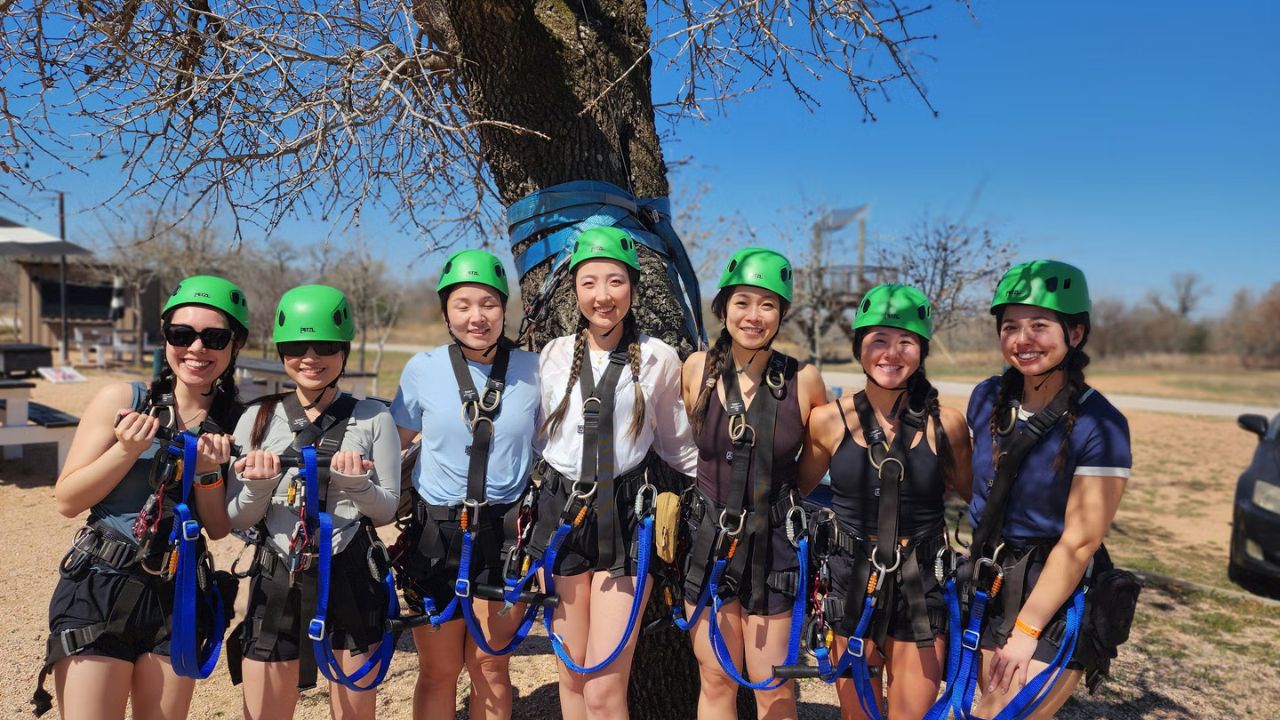
Start with yourself, not the sales page. Are you comfortable with heights? Can you use stairs and walk short trails? Will you follow each guide’s instructions even when you feel nervous?
Then look at the operator. Clear rules should be easy to find. The team should also be ready to answer direct questions.
Check for these points:
- Guides lead the tour and explain each step.
- The course uses a clear braking system.
- The lines and gear receive regular checks.
- Rider and health rules are easy to find.
- Weather policies explain delays and stops.
- The course has a plan to bring guests back.
Before booking, review the rider rules, clothing guidance, weather policy, and participation requirements. A few minutes of preparation can prevent confusion at check-in.
What Should You Bring?
Keep your list short. Wear closed-toe shoes, light clothes, and layers that match the forecast. Bring sunscreen, your own strap for glasses, and any fast-acting medication you may need.
Most guests use the water stations on the course, so you usually do not need to carry a bottle. For small essentials, Zip Lost Pines provides free pouches that zip or bungee closed for items such as phones, compact cameras, and fast-acting medication. During the ground school orientation, guides secure the pouch directly to your harness so those items stay close without getting in the way.
You can also leave your phone in a locker. Zip Lost Pines takes photos and videos during tours that guests may buy later. This may be the perfect time to stay present and enjoy the view.
Safe Fun Starts Before the First Line
A good zipline tour does not ask you to ignore fear. It gives you clear rules, trained help, checked gear, and a plan for bad weather. You bring the last part by showing up on time, dressing well, and listening.
So, is ziplining safe? It can be a well-managed outdoor thrill when the course, team, and rider all do their part. The better question may be this: have you checked the rules and your own comfort before you step off the platform?
Review the requirements, complete your waiver, and arrive prepared. The more you understand before the tour, the easier it is to focus on the experience ahead.
Common Safety Questions
First-time riders often ask: Is Ziplining Safe?
A well-run tour can lower risk through trained guides, clear rules, checked gear, and automatic brakes. You must still meet the rider requirements and follow every guide direction. Tell the guide when you feel unsure.
Do riders connect themselves to the line?
Guides manage the tour process and tell riders when it is safe to move. They check the equipment and communicate each launch and landing. Riders should not touch or adjust safety gear without direction.
Do I need to stop myself?
No. The ZipStop system slows riders at the end of the line. A secondary ZipKea brake remains in place as a backup.
What happens when there is thunder?
If staff hears thunder or sees lightning, the tour pauses and guests leave the platforms. The team starts a 30-minute wait. A new thunder or lightning event starts the wait again.
Do I need to be very fit?
You do not need special athletic skills. You do need enough movement to use stairs, walk short trails, lift your knees, bend, twist, and reach up. Review the health rules before you book.